
Release tracking
mona-lisa-1 keeps the release question practical: what changed, where users can test it, what outputs look stronger, and what still needs verification before serious creative use.
mona-lisa-1 helps creators follow the Arena release, compare benchmark signals, and test Mona Lisa image prompts without getting lost in scattered model notes. Use this guide as a focused starting point for AI image evaluation, prompt planning, and practical output review.
mona-lisa-1 AI Image Generator Workbench
A mona-lisa-1 AI Image Generator prompt workspace for Mona Lisa image tests, instruction edits, and comparison-ready visual drafts.
Reference Image
Describe your idea
0/5000Aspect Ratio
Output Format
Recent Jobs
Prompt gallery
Start with reusable mona-lisa-1 prompt patterns for Mona Lisa image variations, portrait realism, painterly interpretation, clean backgrounds, museum-style framing, and side-by-side output checks.
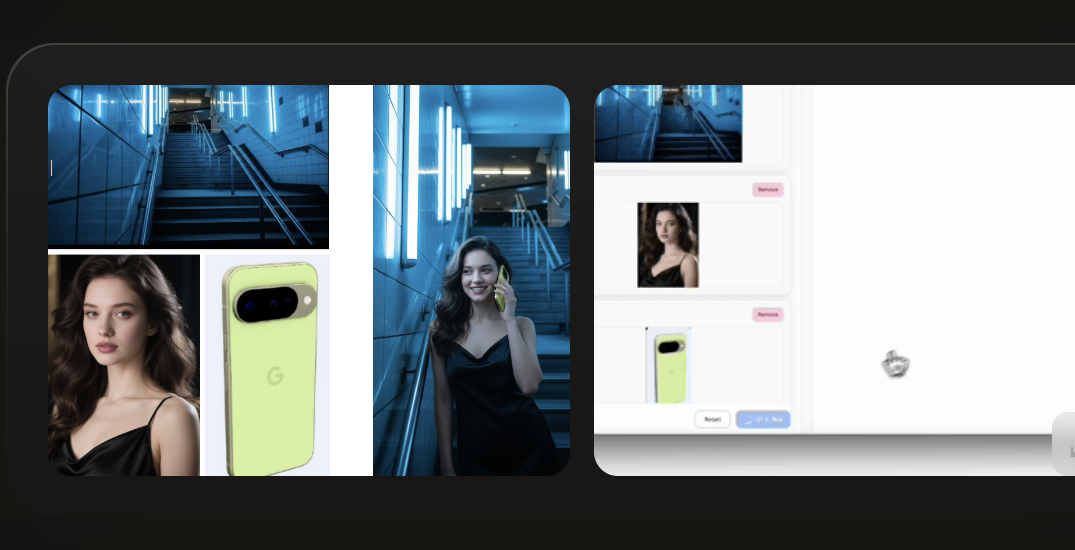
What is mona-lisa-1
mona-lisa-1 is presented here as a focused AI image evaluation hub for people searching the model name, the Arena release, and Mona Lisa image examples. Instead of treating one sample as proof, this guide encourages repeatable prompt tests: compare the same scene, style, face consistency, brush texture, background control, and artifact rate across outputs. Arena-style comparisons matter because users care less about marketing claims and more about which model actually follows the prompt, preserves a recognizable Mona Lisa image, and produces usable visual detail.
mona-lisa-1 keeps the release question practical: what changed, where users can test it, what outputs look stronger, and what still needs verification before serious creative use.
Arena results are useful when they show preference trends, but mona-lisa-1 also looks at prompt following, identity consistency, image defects, style control, and editability.
A Mona Lisa image prompt is a good stress test because it combines a famous face, painterly texture, cultural memory, subtle expression, hand detail, background atmosphere, and style constraints.
The site turns comparison notes into repeatable prompt patterns so you can test mona-lisa-1 with the same conditions rather than judging one lucky or unlucky image.
Comparison framework
A useful mona-lisa-1 comparison should not stop at a leaderboard screenshot. Use the same Mona Lisa image prompt across models, record the prompt, keep the aspect ratio stable, compare several seeds, and separate aesthetic taste from measurable failures such as extra fingers, broken eyes, distorted face shape, weak background detail, or poor instruction following.
Comparison point
When a mona-lisa-1 Arena release appears, compare the same prompt against nearby image models and focus on preference reasons: did users prefer the face, the painterly detail, the background, the lighting, or just the novelty of the sample?
Start comparisonComparison point
For each Mona Lisa image result, check identity, smile, eyes, hands, clothing, sfumato-like softness, background depth, color balance, and whether the output feels intentional rather than over-filtered.
Review prompts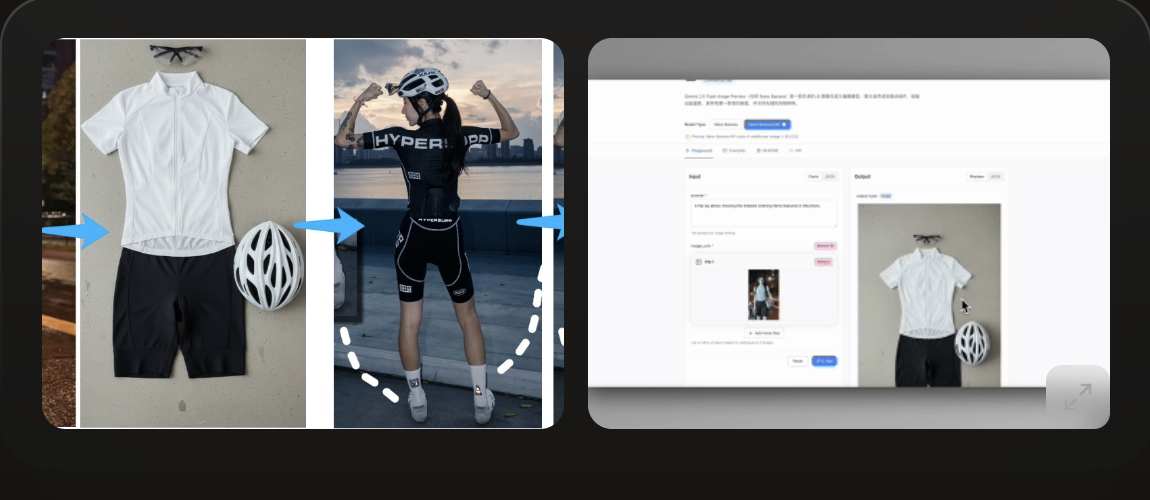
How it works
Keep the mona-lisa-1 loop simple: define a test prompt, generate comparable outputs, read the Arena or benchmark context, then decide whether the result is actually useful.
01
Start with one mona-lisa-1 prompt that states the subject, style, framing, texture, lighting, and what should not change. Avoid judging the model from a vague prompt.
02
Run several outputs with the same prompt. A fair mona-lisa-1 comparison needs more than one image because AI image systems can vary heavily between attempts.
03
Use Arena release and benchmark notes as context, then check whether your own mona-lisa-1 outputs match the claimed strengths or reveal different weaknesses.
04
Change one thing at a time: face realism, painterly texture, museum lighting, background depth, canvas crop, or historical style. This keeps mona-lisa-1 testing readable.
Use cases
The first goal is not to sell a score. mona-lisa-1 should help you understand whether a Mona Lisa image result is strong enough for research, content testing, creative direction, or model comparison.
Perfect for trying out AI image generation and small projects.
Ideal for creators, designers, and content professionals.
For teams, agencies, and high-volume commercial use.
FAQ
mona-lisa-1 is covered here as an AI image topic and comparison hub for users tracking the release, Arena discussion, and Mona Lisa image output quality. The site is independent and focuses on practical evaluation.
A Mona Lisa image is a compact stress test for face stability, painterly texture, subtle expression, background atmosphere, historical style, and prompt control. That makes it useful for mona-lisa-1 comparison.
Treat Arena comparisons as a signal, not a complete verdict. Check how many examples were compared, what prompts were used, whether the images match your use case, and whether mona-lisa-1 performs well on your own prompts.
No. mona-lisa-1.art is an independent guide and workflow site. It does not claim official affiliation with any model owner, benchmark platform, or Arena publisher.